Base building in Blind Descent is renovation, not construction. The team does not clear a plot and raise walls; it finds an abandoned underground research facility, moves in, and spends the rest of the game stopping the ecosystem from taking it back.
That reframing changes every decision. There is no floor plan to design, only a building that already exists, already has a layout, and is already occupied by growth that has had time to settle in.
The base arrives as a ruin
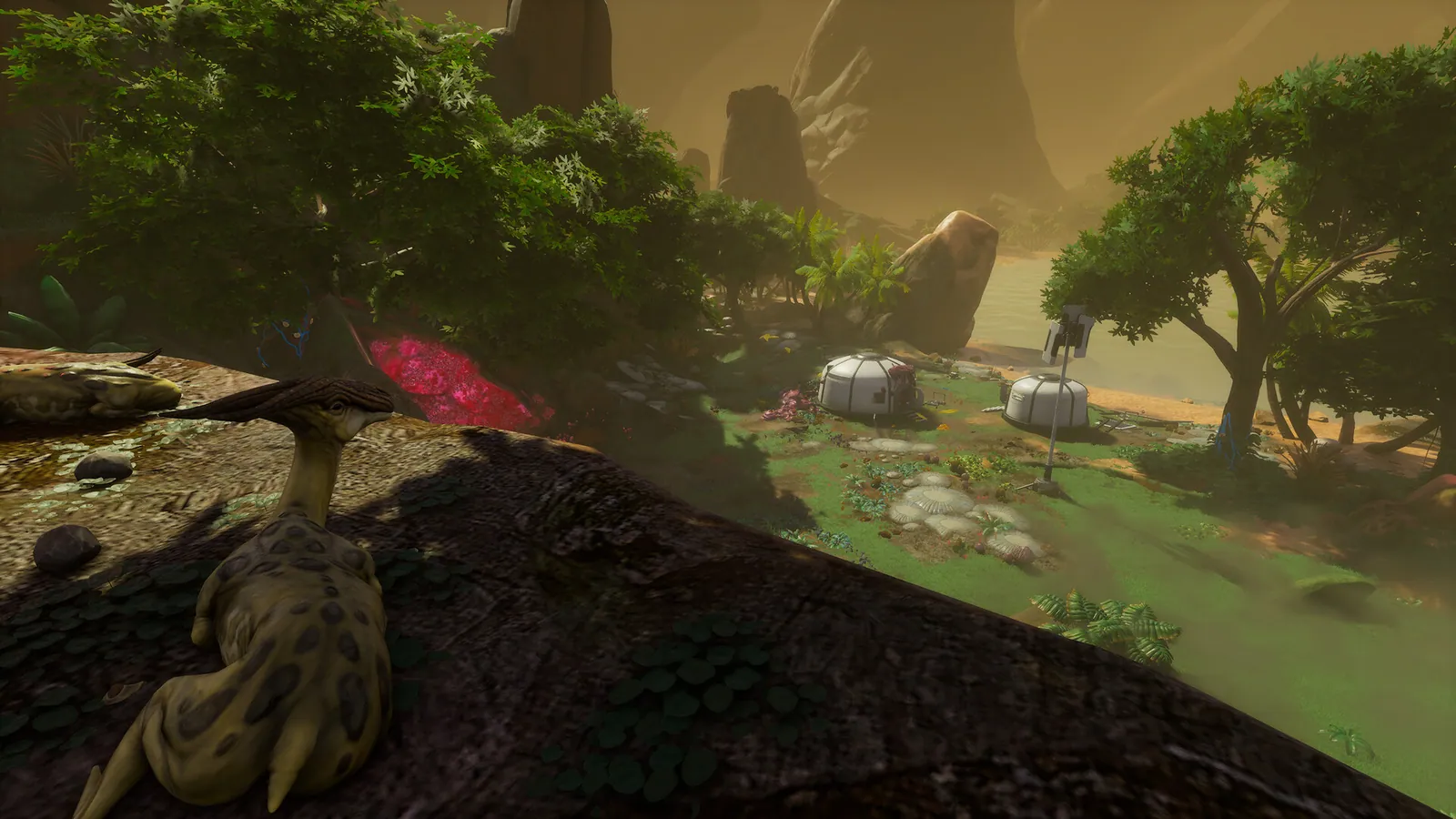
The facility is a story location before it is a system. The descent drops the team into a living underground, and the plague-infested complex is where the route stabilises: it is the one structure down there that can be held, expanded and worked in, which is more than the jungle offers.
The studio's own description of the place is a complex that is plague-infested, and the phrase is not decoration. The rooms the team inherits are overgrown, the growth has opinions about being removed, and the first session inside is mostly clearing rather than improving.
Practically, that means the base is a place you discover and then earn. Walking into it does not hand over a safe zone; it hands over a building that has to be made safe.
Three verbs: clear, expand, fortify
Everything done to the facility falls into one of three actions, and the order between them is not arbitrary.
Clearing comes first because nothing else can happen in a room that is full of growth. It is also the action that has to be repeated most, since the growth returns.
Expanding comes second, and it is about opening up space that already exists rather than adding new structures — more rooms usable, more stations placed, more storage under a roof.
Fortifying is the response to the fact that the underground is not neutral. Structures take damage from weather and from creatures, and a wall that was adequate when it went up is not necessarily adequate a few sessions later.
Furniture and tools sit on top of those three. Placing a bed or a crafting station is the reward for having cleared and secured the room first, and doing it in the opposite order means moving everything twice.
Neglect has a speed
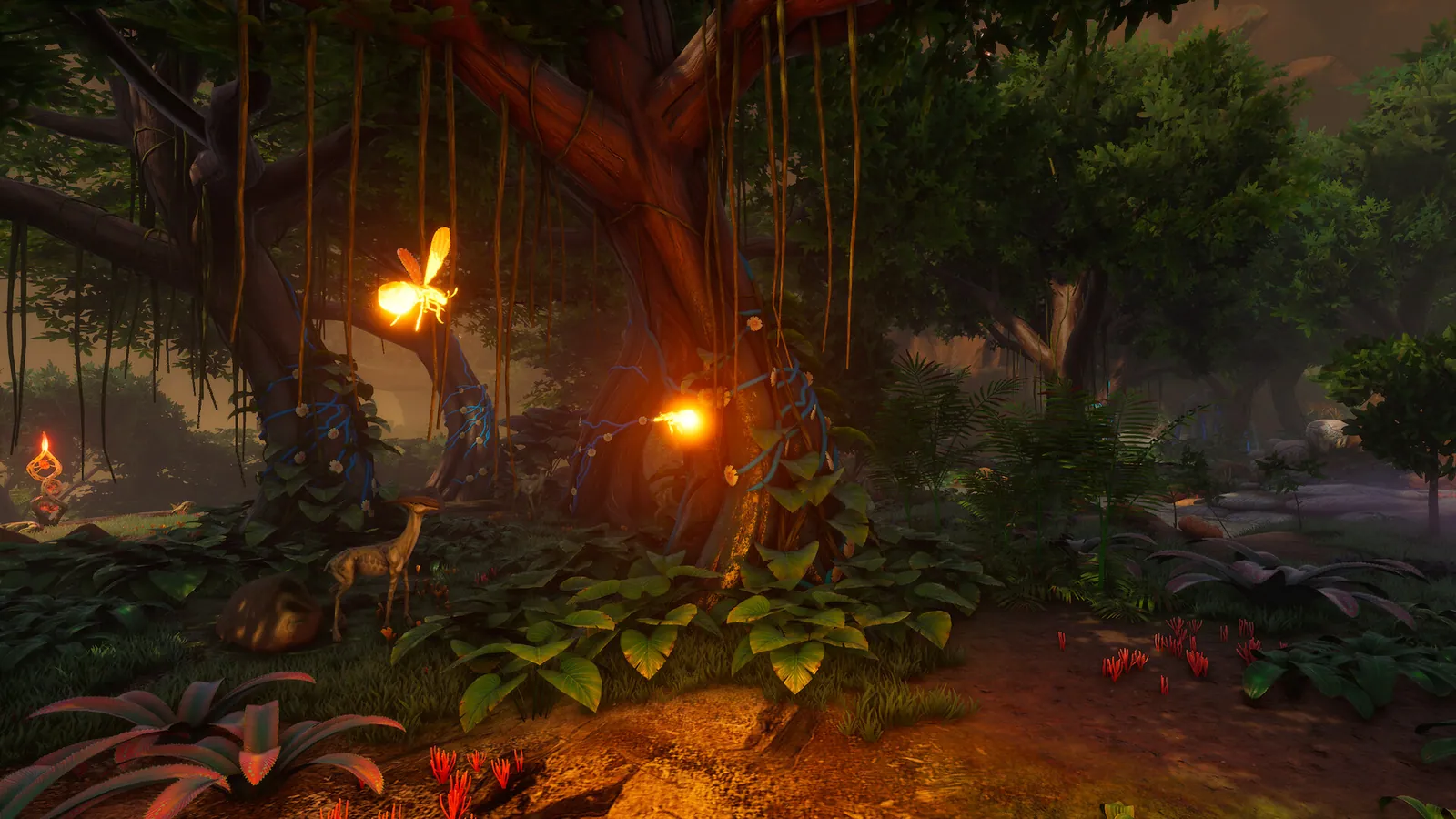
The design principle behind the upkeep is stated plainly by the studio: vines, fungal growths and creeping alien organisms are quick to react to neglect. The world pushes back, regenerates, and swallows new construction.
The practical consequence is that maintenance is a route, not a chore. Every return trip should end with a pass through the rooms that matter, clearing what has appeared and repairing what has been chewed on. Ten minutes at the end of a run is cheaper than an hour at the start of the next one.
It also means the base has a natural size. Every room opened is a room that now needs visiting, so a small facility that gets checked is worth more than a large one that does not.
The order to spend effort in
Priority is the whole skill of base work, because the list of things that could be done is always longer than the time available.
| Priority | What it covers | When it makes sense |
|---|---|---|
| 1 | The corridors that lead in | Before anything is stored or built inside |
| 2 | Rooms that hold stations and supplies | Once the entrances hold |
| 3 | Furniture, decoration, extra space | After the working half of the base is stable |
Entrances first. A base is only as defensible as the ways into it, and growth arriving through an open corridor undoes interior work faster than anything else. Sealing and holding the approach is the cheapest insurance in the game.
Function second. The rooms that hold the crafting station, the medical station and the supplies are the ones that have to stay clear. If only part of the facility can be maintained, maintain that part.
Comfort last. Furniture and decoration are real systems and they change how the base feels, but they are also the first thing to lose when the growth is winning. A decorated room that has been reclaimed by vines is worse than a bare room that still works.
Durability is weather plus biology
Structure health in the facility is under two kinds of pressure at once, and they fail differently. Weather works on the outside of a structure steadily. Creatures work on it in bursts, and they work on the parts that are reachable.
That split is why a single repair pass is not enough. A wall rebuilt after a storm can still be the wall something has been chewing on from the inside, and the damage report will not tell the difference between the two causes.
The habit that covers both is inspection rather than reaction: walk the perimeter when arriving, look at what changed, and fix the small things while they are small. Repairs cost materials, and materials come from trips outside, so every unfixed breach turns into an extra expedition later.
Who repairs in co-op
With up to four players, upkeep stops being a solo tax and becomes a division of labour. The split that works is by area rather than by task: one person owns the entrances, one owns the working rooms, and the two who are out scanning and hauling bring back what the other two need.
Rotating the job matters more than assigning it. A player who spends every session on repair duty never learns the surrounding area, and a player who never repairs does not notice the base decaying until a room is unusable.
The other co-op rule is to never leave the facility unattended for a full session while everyone is out. Growth does not need a long absence to make progress, and a team that comes back to a choked corridor has lost the trip twice: once to the walk back and once to the clearing. Co-op covers how the rest of the run splits around that.
Can a base be built anywhere on the map?
No. The base is an existing underground research facility that the team takes over and improves. There is no free building on open ground.
Does the overgrowth stop if the base is left alone?
It does the opposite. Vines, fungal growth and creeping organisms respond to neglect, and unvisited rooms fill in while the team is away.
What should be repaired first after a long trip away?
The ways in. Corridors and entrances decide whether the interior work survives, and interior repairs are wasted if growth can walk straight back in.
Is decorating worth the materials?
Once the working rooms are stable, yes — furniture is part of the base systems. Before that, decoration is the first thing lost when a room is overrun.
The base only makes sense next to the rest of the loop: tools from crafting are what make clearing and repair possible, and infection is what happens to the people doing the work. New players should start with the first hour before committing to a floor plan.